
.jpeg?width=2316&height=1506&name=Image%206-24-25%20at%209.38%20AM%20(1).jpeg)
The Challenge
Trinity Building Systems was spending $50/day on digital ads, generating 10–15 leads per week. On the surface, ad performance looked strong: low cost per contact and a steady stream of leads. But behind the scenes, there was a breakdown—more than 50% of leads weren’t responding to follow-ups, and the ones who did were often unqualified. Without consistent conversion from MQL to SQL, acquisition costs quietly crept up, and metrics masked the problem.
While reporting showed a healthy $10.78 cost per lead, the real issue was downstream: the system lacked the structure needed to turn leads into sales opportunities.
The Impact
Ultimately, Trinity was investing in traffic, not traction. Without better qualification and follow-up mechanisms, ad dollars were being spent efficiently—but not effectively. The real cost wasn’t in the ad spend itself; it was in lost momentum, wasted internal time, and missed revenue. More than half of inbound leads were going cold due to the absence of next steps, clear ownership, or a system to re-engage low-intent contacts.
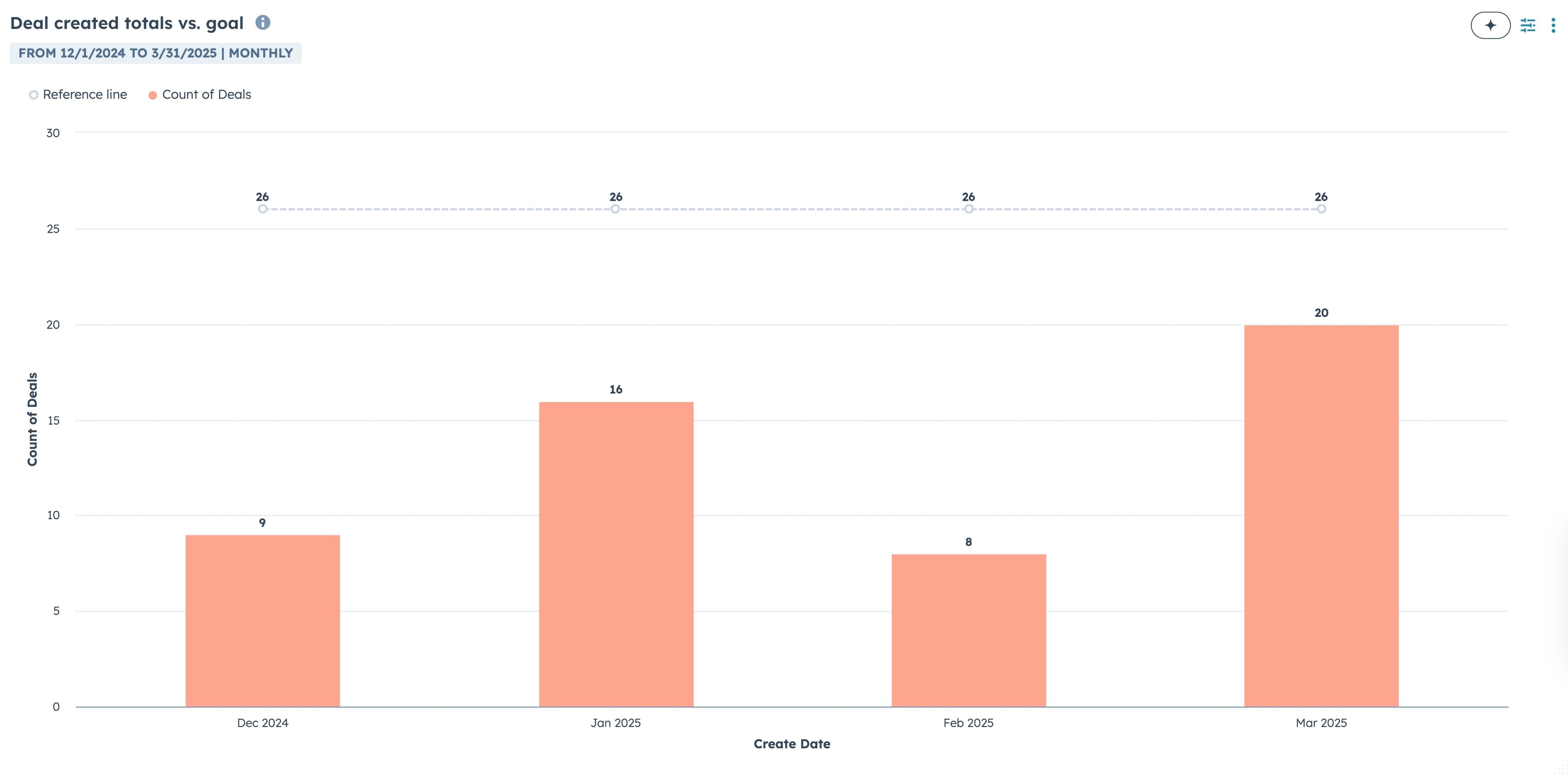
Even as marketing drove steady lead volume, the sales team struggled to keep pace. For four consecutive months, they failed to meet their target of 26 deals per month—falling short every time. The pipeline looked active, but conversion wasn’t keeping up. The gap between activity and actual performance led to mounting hidden costs:
The Discovery
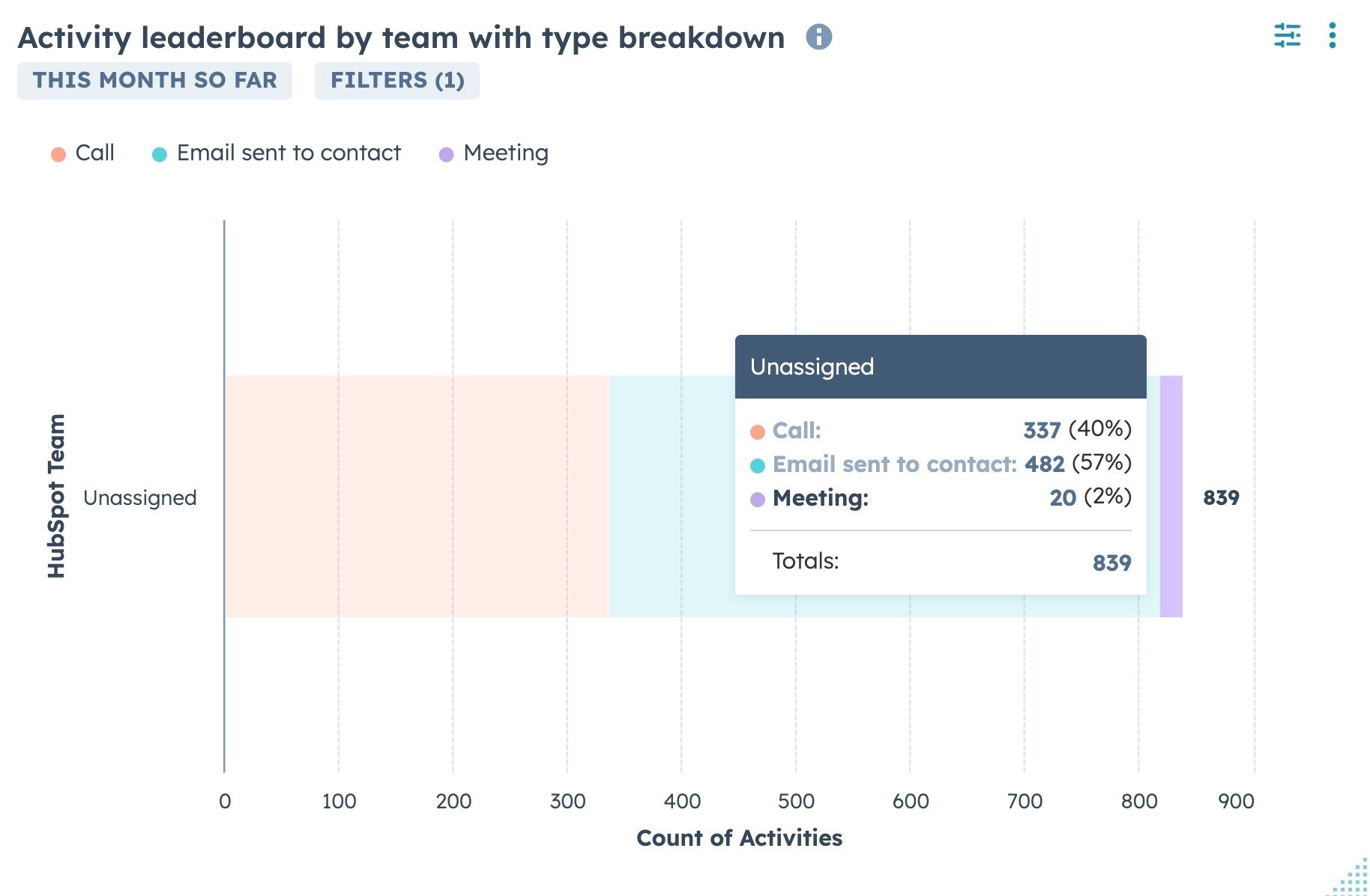
To gain a true understanding of why so many leads were unresponsive or unqualified, we placed a few specialists: a sales enablement specialist to review sales outreach communication, a marketing execution specialist to review the ad copy and targeting criteria, and a fractional CRO to interview the owner on the products and services sold, as well as the ideal clients needed.
This cross-functional team approach allowed us to analyze the entire lead journey, from click to conversion, and quickly identify where momentum was breaking down. By combining qualitative insight with campaign and CRM data, we were able to move from guesswork to clear, actionable diagnosis.
The Strategy
To address the core issues, we worked with the owner to define a clear Ideal Client Profile (ICP) and shared it across sales and marketing to align outreach and targeting. We then revamped the follow-up system; rewriting the messaging to match the original CTA, automating the sequence, and adding texting to boost response rates.
At the same time, we built a standardized Sales Pipeline SOP that defined next steps for each stage, aligned it in HubSpot, and clarified who should act, when, and how to report progress, especially around MQL vs. SQL handoffs. Lastly, we refined ad copy and targeting based on the new ICP and SOP to drive more qualified, sales-ready leads.
.png?width=940&height=788&name=Untitled%20design%20(41).png)
The Outcome
By clearly defining and segmenting Ideal Client Profiles (ICPs), the marketing team was able to craft tailored messaging that resonated directly with each target audience. This focus empowered the Sales Enablement Specialist to prioritize high-fit accounts, resulting in scheduled meetings with several major prospective partners.
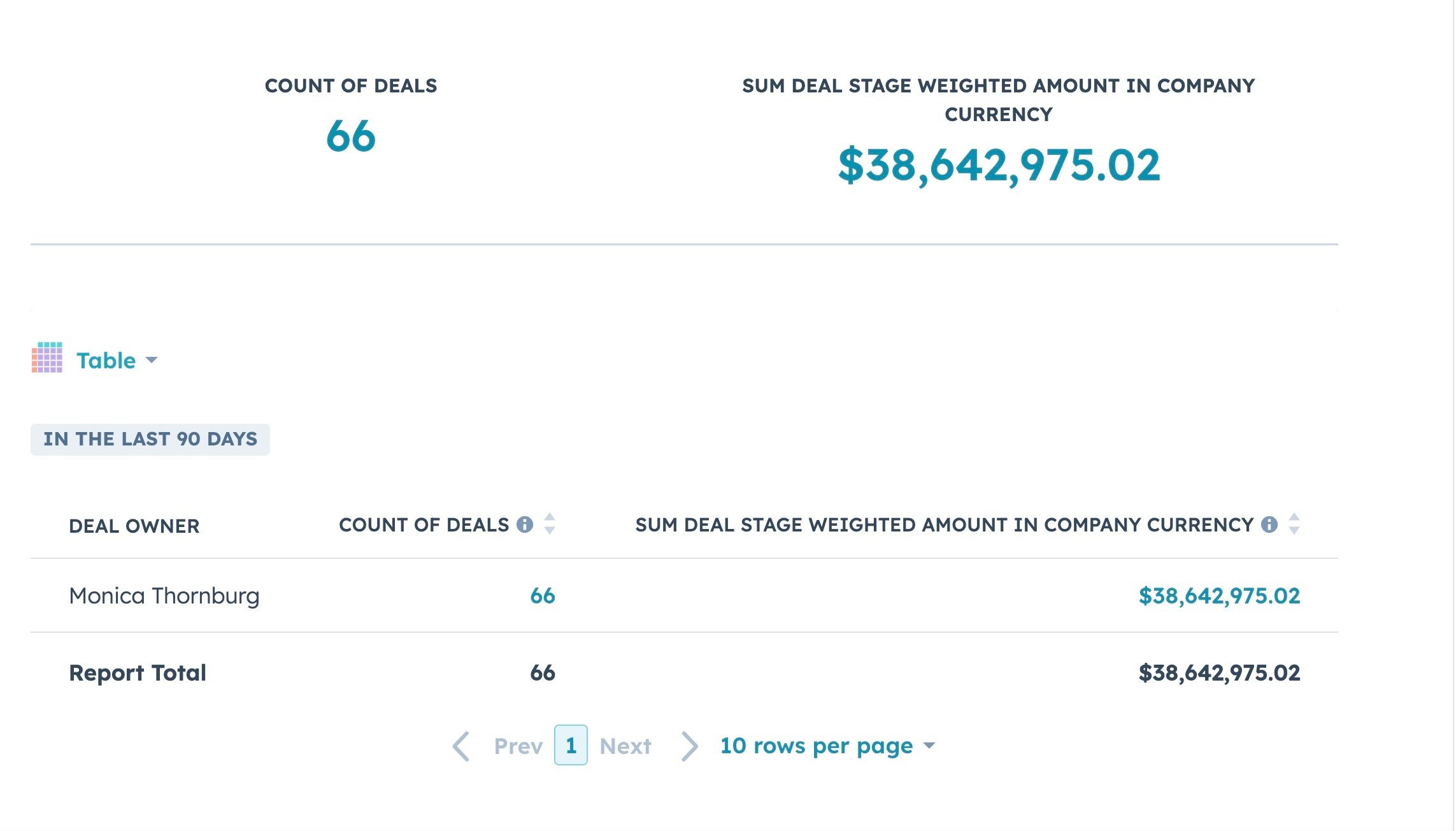
Together, these refinements to Trinity Building Systems’ marketing and sales efforts led to a measurable increase in qualified opportunities and substantial pipeline growth.